The Kit · Cooking Basics
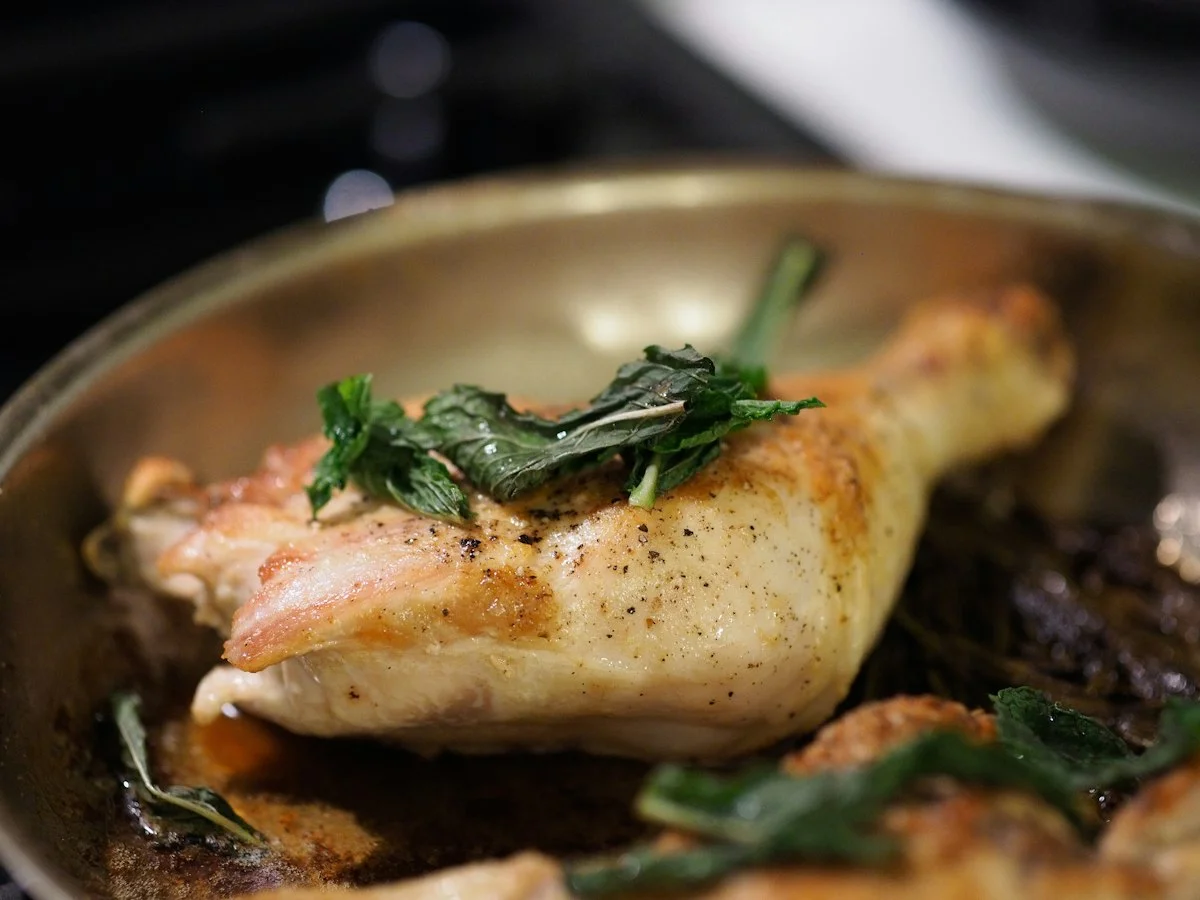
How to Sear Chicken Thighs in Stainless Steel Without Sticking
A repeatable stainless-steel skillet method for deeply browned, crisp chicken thighs without torn skin, burnt fond, or stuck-on marinade.
Read the story
02 / The essentials
Shakers, jiggers, strainers, bar spoons, and beginner bar tools.
59 stories
The Kit · Cooking Basics
A repeatable stainless-steel skillet method for deeply browned, crisp chicken thighs without torn skin, burnt fond, or stuck-on marinade.
Read the story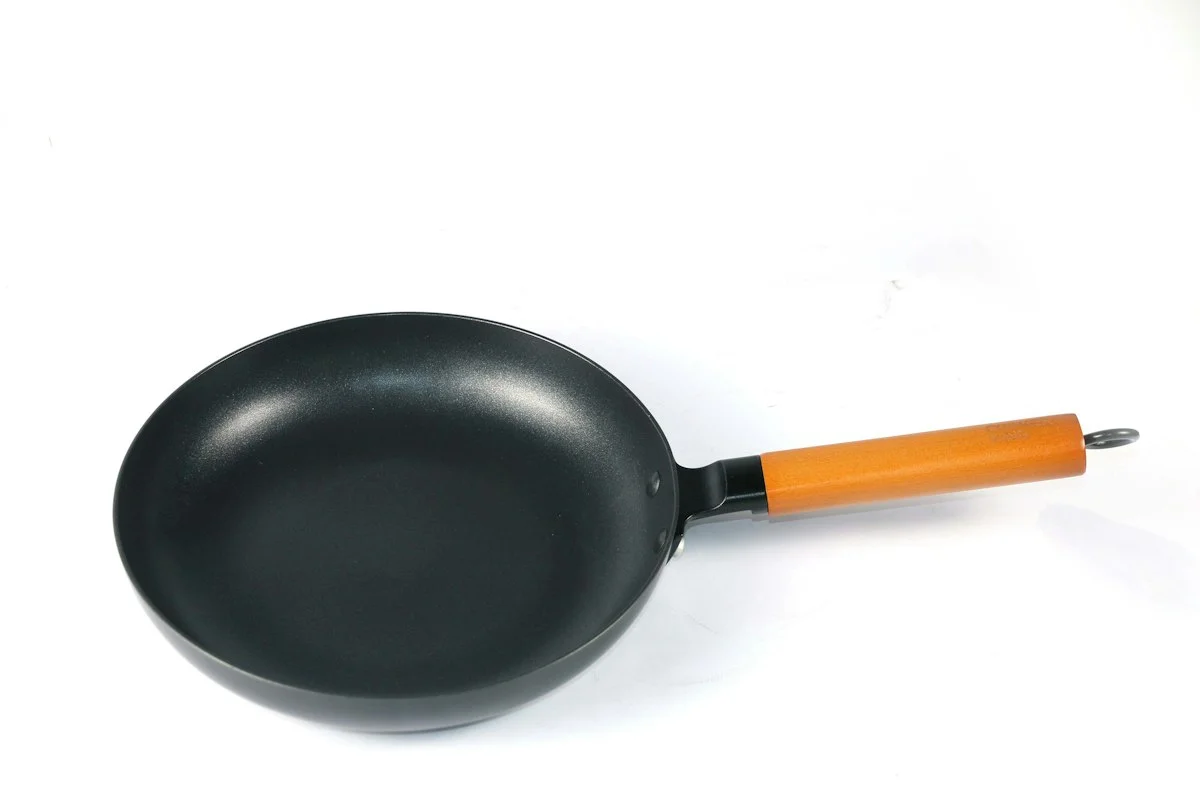
The Kit · Cooking Basics
Learn how to make pasta water starchy enough to help sauces turn glossy and cohesive, without relying on a restaurant kitchen or a pot of reused water.
Read the story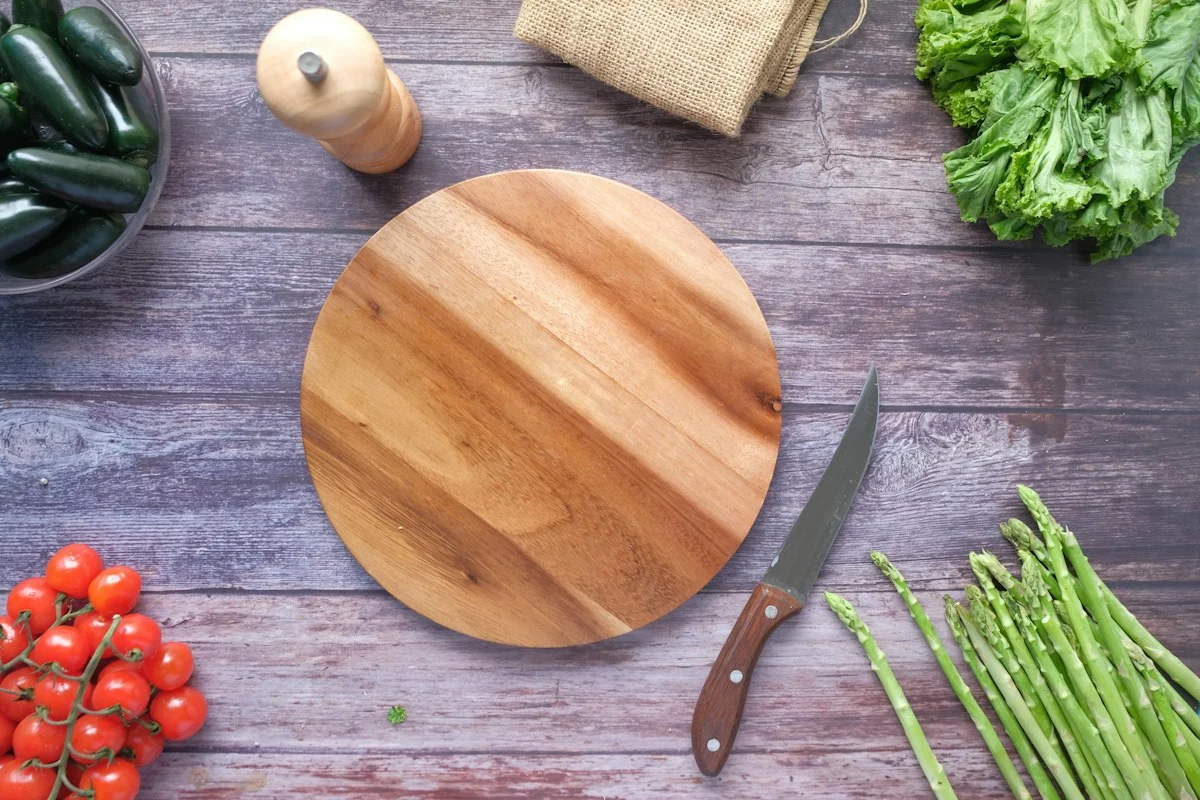
The Kit · Bar Tools
Titanium cutting boards are generally a poor choice for everyday knife work. Their hard, nonporous surface may be easy to wipe clean, but a rigid metal board gives a knife edge little forgiveness. Wood, quality plastic, bamboo, and composite boards are usually
Read the story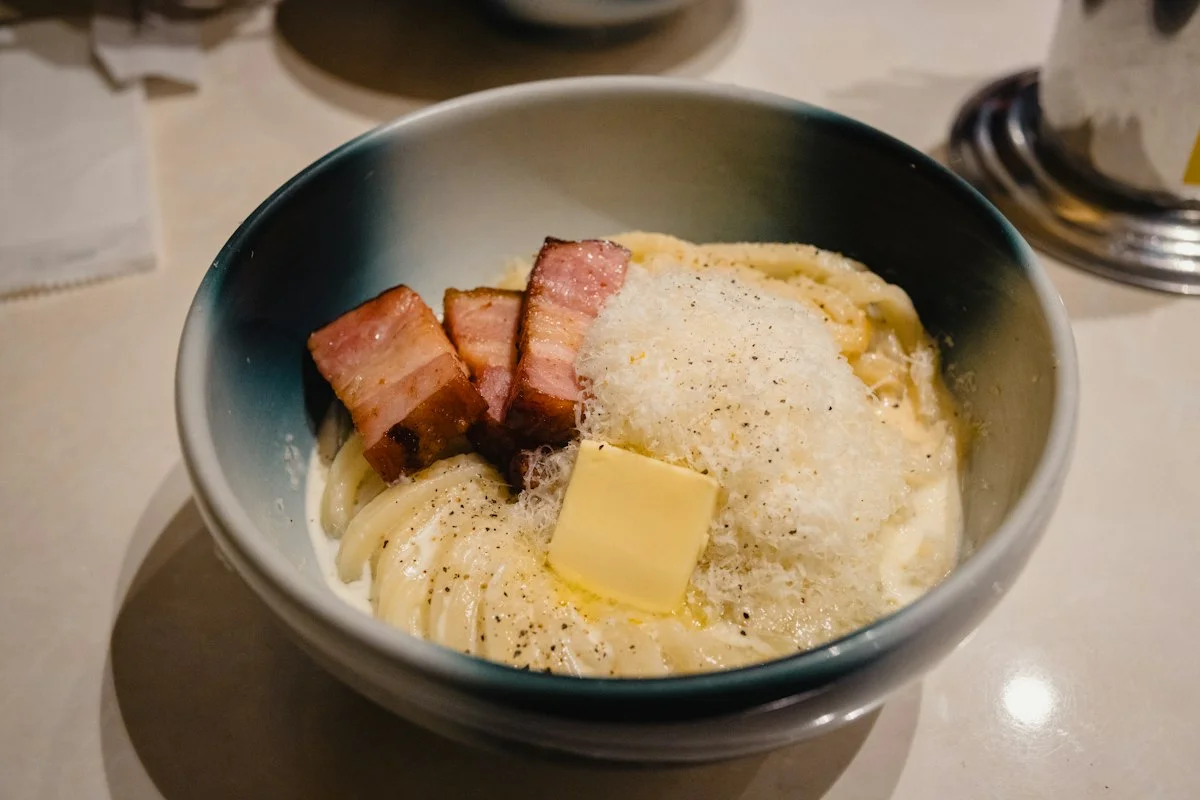
The Kit · Cooking Basics
For creamy mashed potatoes, warm milk is the best everyday choice. Cream adds richness, reserved cooking water keeps the potatoes light and helps seasonings blend, and a combination gives you the most control. Here is how to choose, how much to add, and how to
Read the story
The Kit · Cooking Basics
Instant potato flakes can rescue a thin soup, stew, or pot of beans without draining away flavor. The key is to add them gradually, wait for them to hydrate, and stop before the broth turns pasty.
Read the story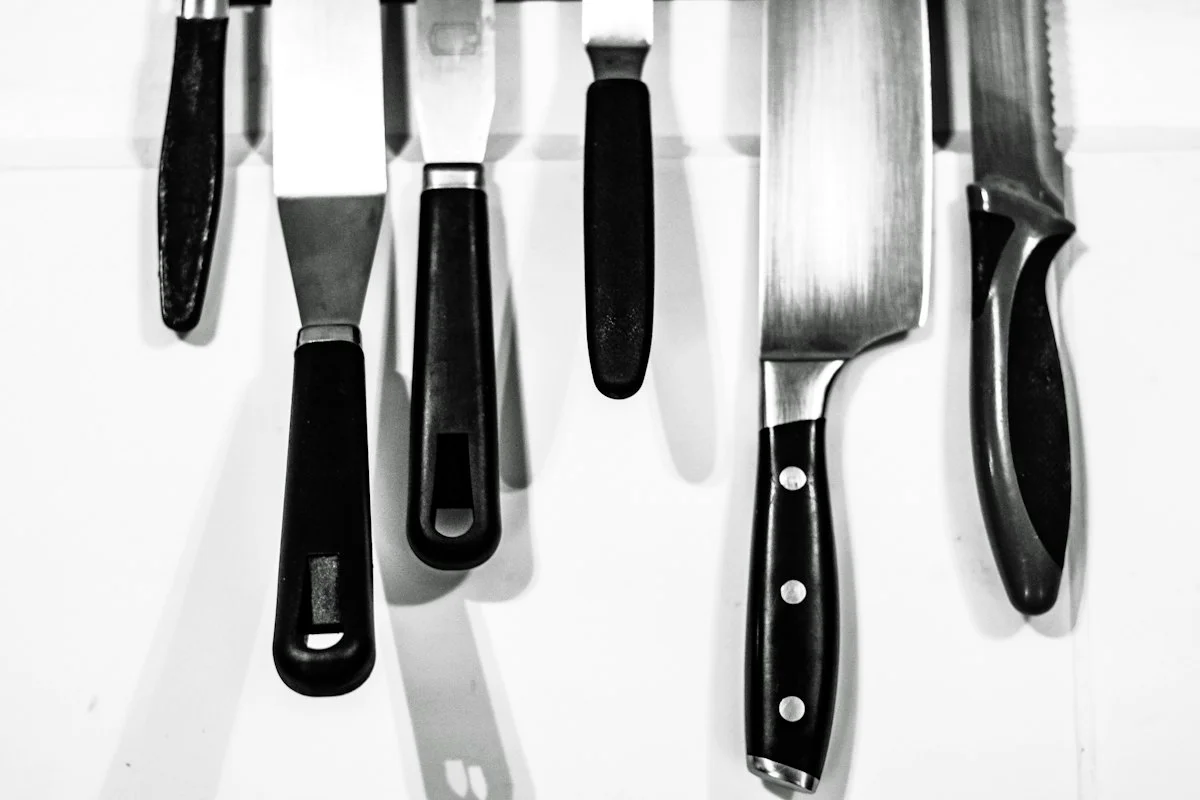
The Kit · Cooking Basics
Are pull-through knife sharpeners okay for home cooks? Yes, for many everyday Western-style kitchen knives—as long as you understand that they remove metal quickly and reshape the edge rather than simply polishing it. Here is how they compare with stones, honi
Read the story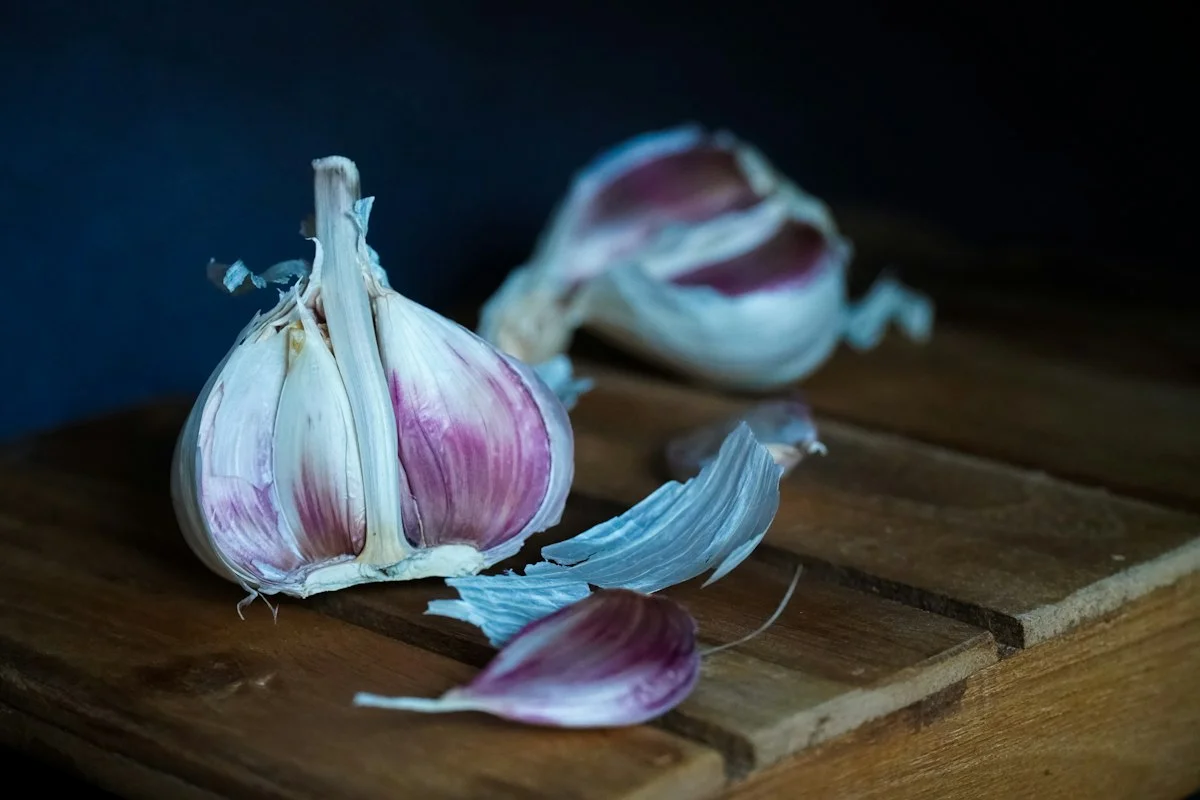
The Kit · Cooking Basics
Jarred minced garlic is a useful weeknight shortcut, but fresh cloves give better aroma, texture, and control in recipes where garlic is a leading flavor. Use the jar for long-cooked sauces, soups, marinades, and busy nights; reach for fresh garlic in quick sa
Read the story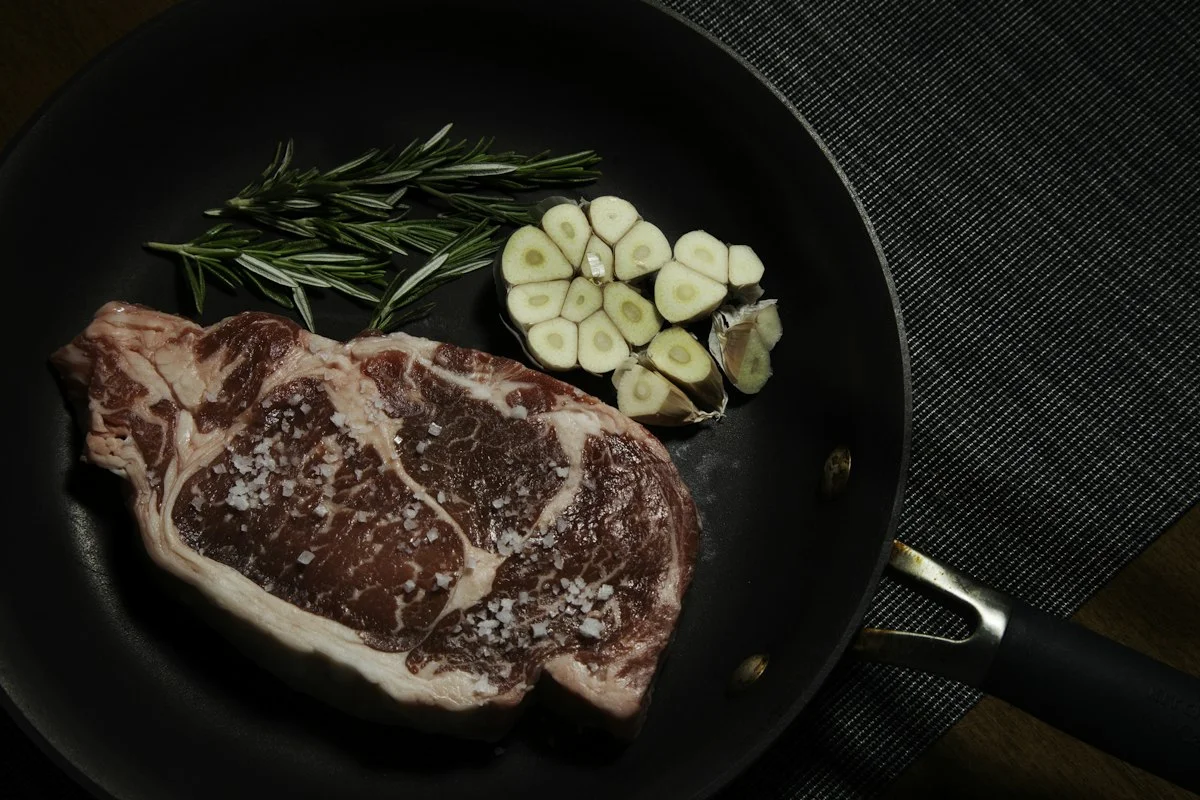
The Kit · Cooking Basics
The most reliable way to cook steak to your preferred doneness is to check the center with an instant-read thermometer, then pull it from the heat before carryover cooking finishes the job. Placement, timing, and a short rest matter as much as the reading itse
Read the story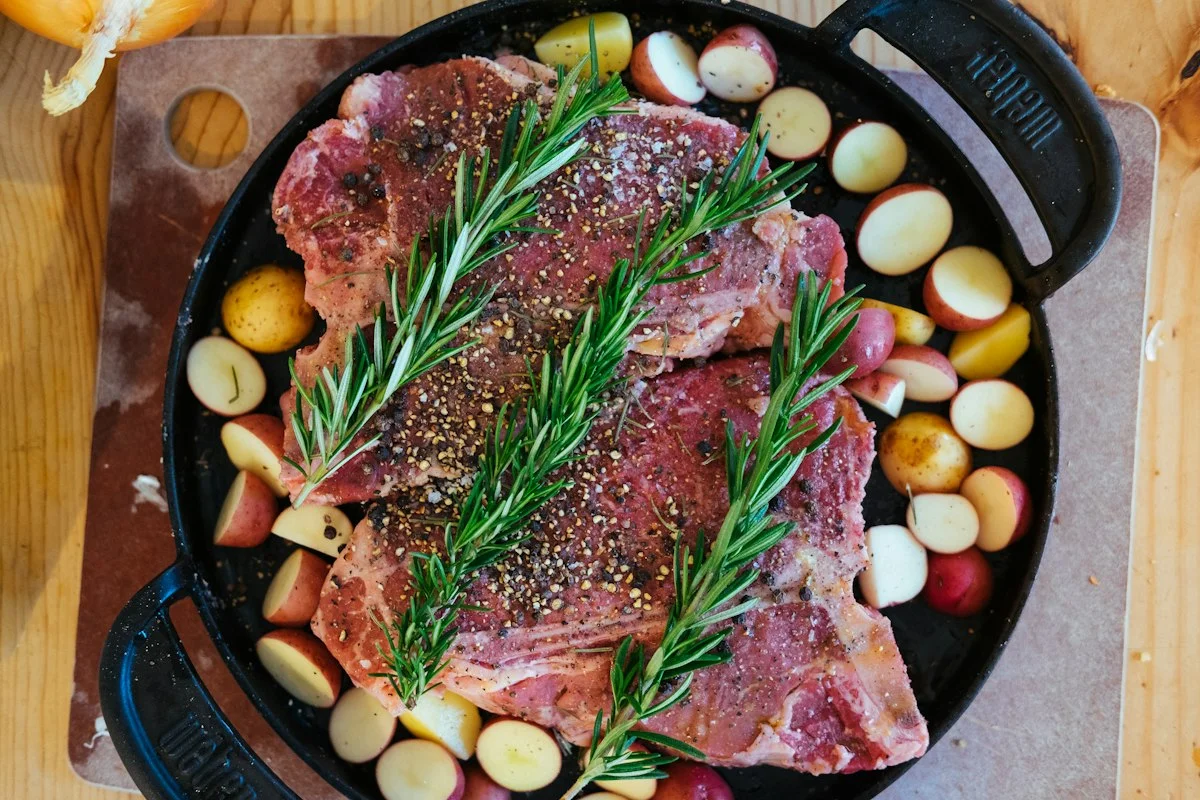
The Kit · Cooking Basics
Avocado, canola, and grapeseed oil can all sear steak well. Choose avocado oil for the most heat tolerance, canola for an affordable everyday option, grapeseed for a very light flavor, and butter as a finishing fat added after the initial sear.
Read the story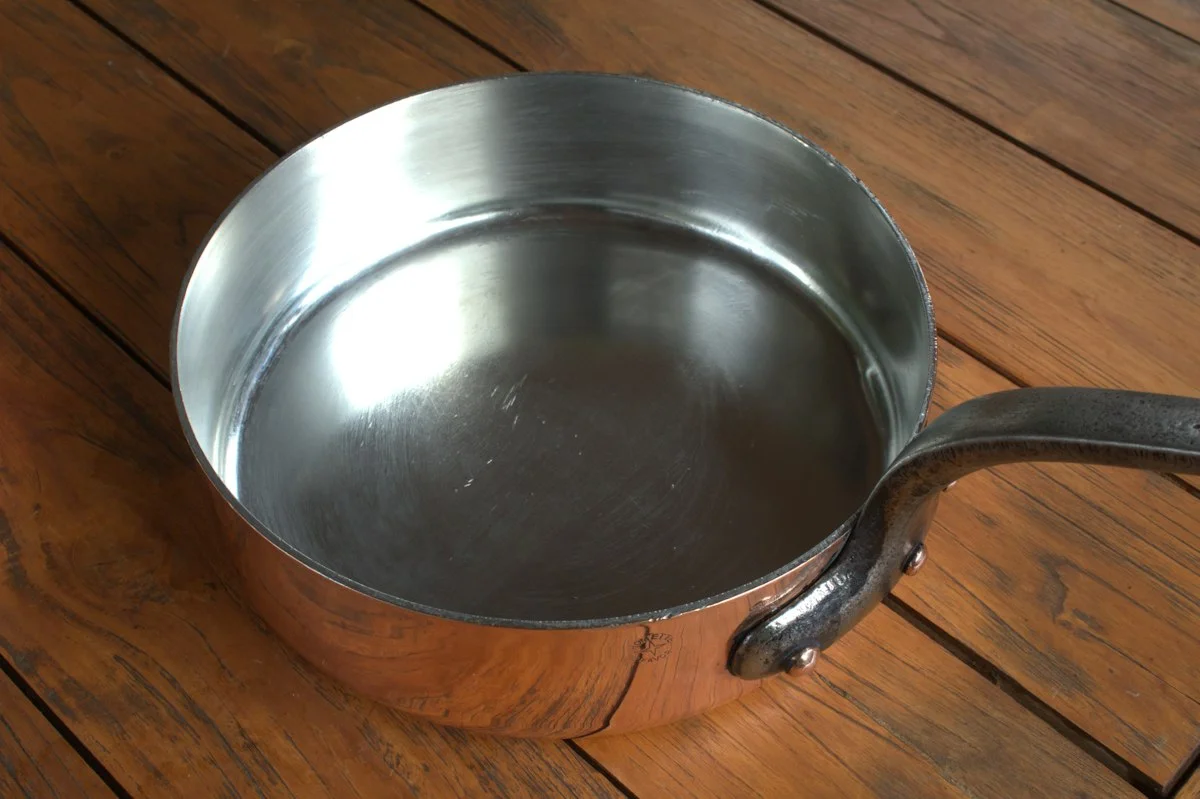
The Kit · Cooking Basics
Deglazing turns the browned bits left after searing into a fast, flavorful sauce. Learn how to tell useful fond from burned residue, choose a liquid, scrape the pan cleanly, reduce the sauce, and finish it for meat, vegetables, or beans.
Read the story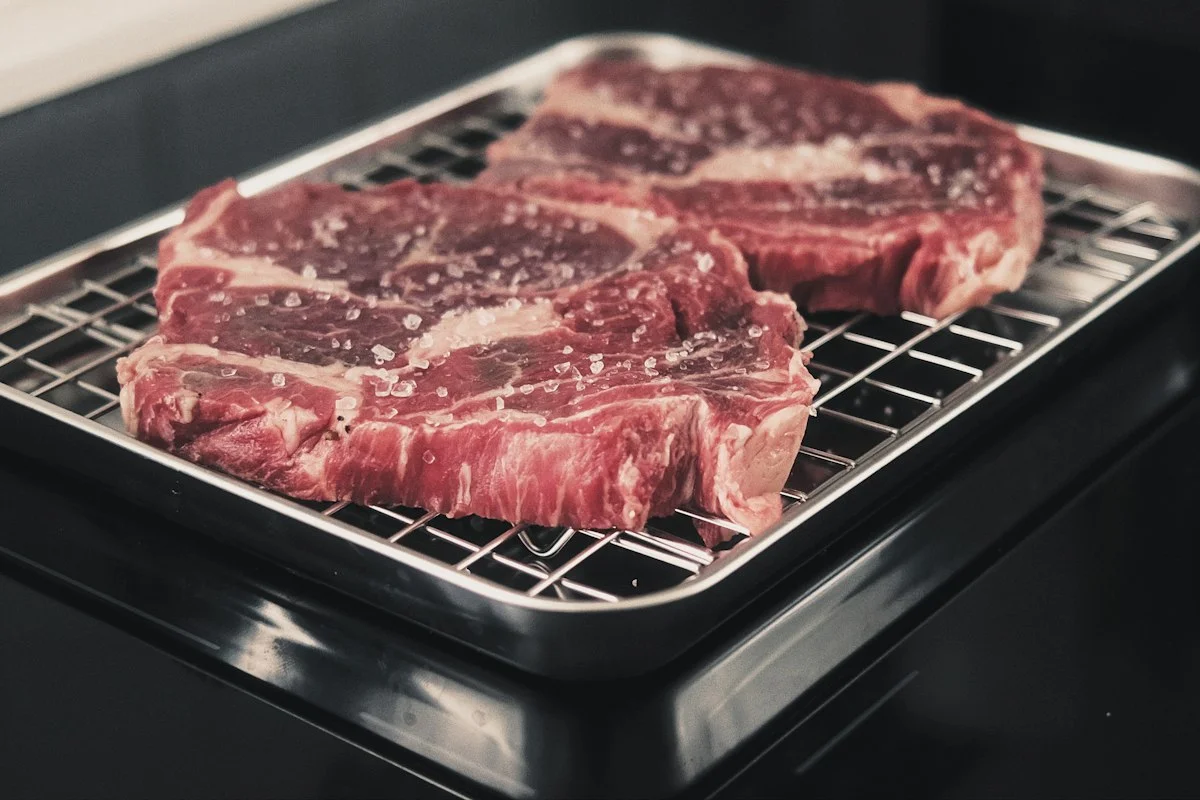
The Kit · Cooking Basics
The lowest-mess way to cook bacon is on a rimmed sheet pan in the oven. For smaller batches, begin in a cold skillet over moderate heat and use a splatter screen if needed. The best method depends on whether you value easy cleanup, rendered fat, or speed.
Read the story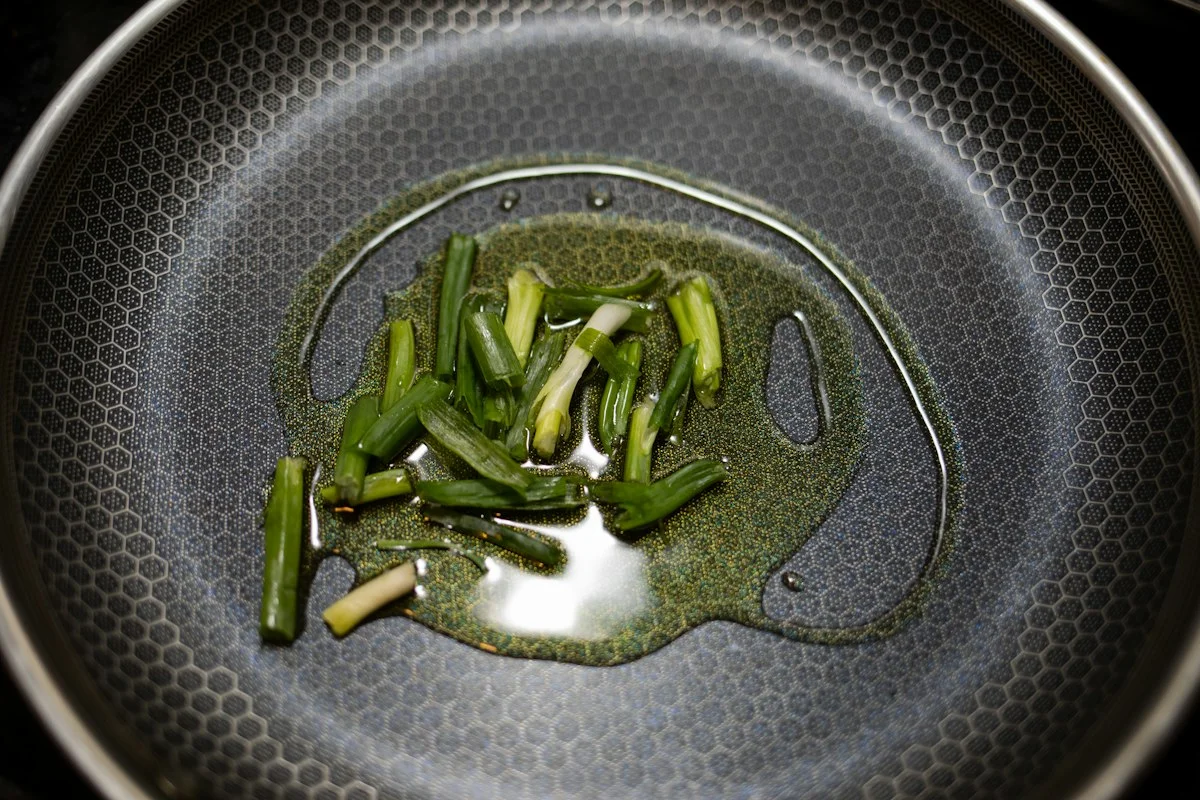
The Kit · Cooking Basics
Blooming spices in oil is a brief, controlled step that helps dried spices taste fuller, more aromatic, and more evenly seasoned in soups, curries, sauces, beans, and braises. The key is moderate heat, enough fat to coat the spices, constant stirring, and addi
Read the story